If you have tried buying tickets for a major live event recently, you already know the sinking feeling that comes with the territory. You log in right at the on-sale time, sit in a digital waiting room with 50,000 other frantic fans, watch a little spinning wheel turn for twenty minutes, and then get slapped with a “No tickets available” message. It is enough to make you want to throw your router out the window.
Because the primary market is increasingly dominated by automated buying programs and instantaneous sell-outs, music lovers, theater nerds, and sports fans are forced to turn to secondary ticket marketplaces. But that transition brings its own set of anxieties. Is the site legit? Am I going to get turned away at the gate with a counterfeit barcode? Why are the prices fluctuating so wildly?
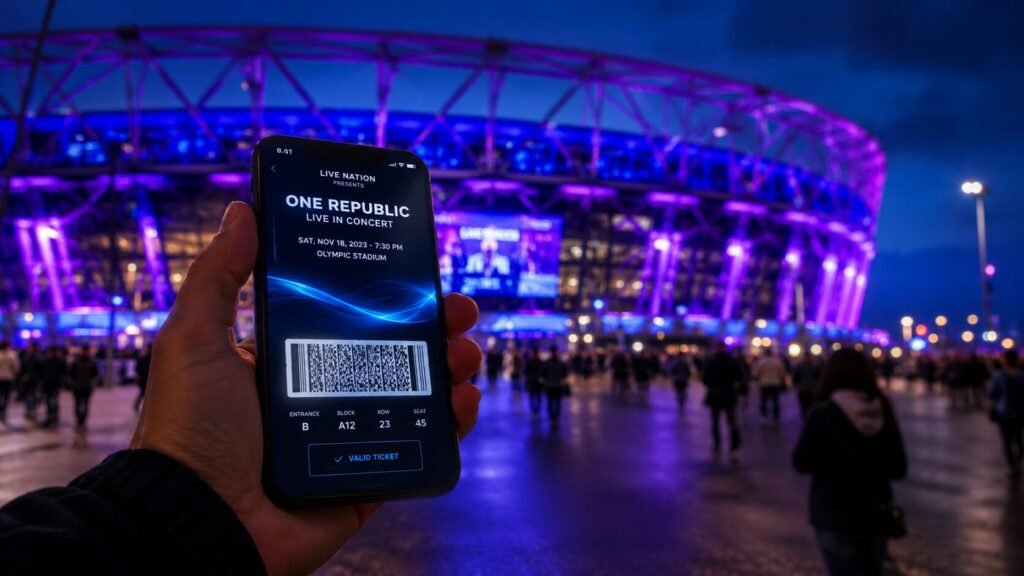
Today, we are taking an in-depth look at Gigsberg, a global secondary ticket marketplace headquartered in Cham, Switzerland, that claims to take the stress out of the live event scramble. Whether you are looking for premium seats to a sold-out Taylor Swift stadium show, looking for tickets to an intense Premier League football match, or trying to find front-row seats for a Broadway theater production, this comprehensive review breaks down exactly what Gigsberg offers, how its security framework functions, and whether it deserves your business.
What Exactly is Gigsberg?
At its core, Gigsberg is a secondary ticket marketplace. This means the platform itself does not own or sell tickets directly to the public. Instead, it functions as a secure middleman platform connecting independent ticket sellers (who have extra tickets they cannot use or are looking to resell) with eager buyers.
Because it is a peer-to-peer and broker-to-peer ecosystem, ticket prices are set by the individual sellers, not by Gigsberg. This means prices can pivot wildly depending on simple laws of supply and demand. If an event is heavily sought after, tickets might be listed well above their original face value. Conversely, if an event is coming up fast and sellers are getting nervous about eating the cost, you can often snap up incredible deals significantly below face value.
Visit Official Website
🎟️ Get TicketsThe Security Layer: How Gigsberg Protects Your Purchase
The biggest barrier to entry for any secondary ticket platform is trust. Nobody wants to fly across the country or drive two hours to a venue just to discover their ticket is a duplicate or completely invalid. Gigsberg tackles this anxiety head-on with a dedicated Buyer Guarantee & Refund Policy.
When you purchase a ticket through the platform, your money is not immediately handed over to the seller. Instead, Gigsberg holds the funds in a secure escrow-like system. The seller only receives their payout after the event has successfully concluded. This single policy completely eliminates the incentive for malicious sellers to upload fraudulent tickets, because if a ticket fails to grant access at the turnstile, the seller loses both the ticket and the cash.
Furthermore, Gigsberg guarantees that your tickets will arrive in time for the event. In the rare scenario where an issue arises with your order, the platform pledges to step in and secure comparable or upgraded alternative seats, or issue a 100% financial refund if a suitable replacement cannot be sourced.
Diving Deep into Gigsberg’s Core Ticket Categories
To truly understand how this platform operates, let’s explore its five major ticket categories. Gigsberg has built a highly global inventory that scales from intimate local comedy venues to massive international athletic tournaments.
1. Concerts
The concert vertical is undoubtedly the busiest neighborhood on Gigsberg. Live music has undergone a massive boom, with artists embarking on massive, multi-year global stadium tours that sell out in milliseconds. Navigating this ocean of live music requires a platform that understands genres. Gigsberg categorizes its musical listings into highly specific buckets so you do not have to scroll through endless noise to find your favorite vibe.
Rock
Rock music is built for the live arena. There is something irreplaceable about feeling the vibrations of a kick drum against your chest and hearing a screaming guitar solo bounce off stadium walls alongside tens of thousands of other fans. The Rock category on Gigsberg is constantly filled with high-profile inventory for legacy touring giants and modern arena rock mainstays alike. Whether you are looking for floor access to see legendary artists like Bruce Springsteen and The E Street Band tear through a three-hour set, or looking for premium lower-bowl seating for bands like Green Day or Foo Fighters, the platform simplifies tracking down seats across various venue maps. Because rock tours frequently feature complex stage layouts (including massive runways extending into the crowd), Gigsberg’s venue visualizer helps you verify exactly where your seats lie in relation to the main stage.
Pop
If there is any genre that defines the frantic modern ticket rush, it is Pop. Pop music tours are no longer just concerts; they are massive cultural spectacles complete with high-concept theatrical set designs, massive dance troupes, and elaborate costume changes. Because artists like Billie Eilish, Dua Lipa, and Olivia Rodrigo attract global audiences, primary ticket sales are notoriously impossible to clear. Gigsberg’s Pop section serves as a reliable release valve for these high-pressure tours. When a pop superstar announces an international run, prices on the secondary market frequently peak immediately after the primary sell-out due to panic buying. However, a major tip for savvy pop fans using Gigsberg is to monitor listings closely in the two weeks leading up to the specific tour date. As casual sellers realize their schedules have clashed, prices often adjust downward into much more reasonable territory.
Hard Rock & Metal
The community surrounding Hard Rock and Heavy Metal is fiercely loyal, and their dedication translates to massive demand for live shows. From the legendary thrash metal patterns of Metallica to the theatrical, masked chaos of Slipknot, metal fans show up early and pack out the general admission standing pits. Gigsberg caters beautifully to this crowd by clearly distinguishing between reserved seating tiers and general admission (GA) floor or “mosh pit” tickets. When buying metal tickets on a secondary site, clarity is vital. Sellers on Gigsberg specify if their floor tickets are for specific front-of-house enclosures or open-floor fields, allowing you to ensure you are exactly as close to the heavy riffs as you want to be.
Rock & Pop
The lines between genres are fuzzier than ever, which is why the hybrid Rock & Pop category on Gigsberg is incredibly useful. This section serves as a home for mainstream powerhouses, iconic solo artists, and cross-generational bands that draw elements from both worlds. Think of touring juggernauts like Coldplay, Sting, or Maroon 5—artists who command massive stadium footprints and appeal to an incredibly broad demographic. Because these shows attract families, older fans, and younger listeners alike, ticket needs vary wildly. Some buyers are desperate for seated hospitality packages, while others want cheap upper-tier nosebleeds just to be in the building. Gigsberg handles this spectrum cleanly, letting you filter listings by price or physical location inside the venue so you can customize your experience.
Rap
Live rap and hip-hop shows have completely shifted from small club venues to massive, high-production arena environments. Artists like Kendrick Lamar, Travis Scott, and Drake design breathtaking stage environments that often feature floating platforms, massive LED monoliths, and intense pyrotechnics. Because general admission floor space is where the energy lives at a rap show, those specific tickets disappear instantly on primary platforms. Gigsberg’s Rap section provides direct access to these highly coveted floor wristbands. The platform’s layout ensures that when you look at an arena show, you can easily identify premium general admission zones versus standard stadium seating.
Hip Hop & Reggae
For fans seeking rhythmic grooves, heavy basslines, and unmatched lyrical flows, the Hip Hop & Reggae tab compiles an excellent array of underground hip-hop showcases, legendary old-school rap packages, and soulful global reggae tours. Whether it is an outdoor summer amphitheater show celebrating iconic reggae royalty or an intimate urban club hosting a legendary golden-era boom-bap crew, this section highlights unique sub-genres that larger, more rigid ticketing sites often bury under generic headers. It makes finding niche, high-energy musical events incredibly efficient.
Alternative & Indie
If your musical tastes lean toward jangly guitars, dream-pop synths, and emotional indie anthems, the Alternative & Indie category is your sanctuary. This section covers everything from atmospheric arena acts like Tame Impala and The Arctic Monkeys to buzzing pitchfork-darling indie bands performing at mid-sized historic theaters. Because indie music fans are highly focused on the specific atmosphere of a venue, Gigsberg preserves structural details in its listings, identifying unique seating arrangements like historic mezzanine layouts or general admission ballroom configurations typical of indie tour stops.
All Concerts
If you are simply looking for a spontaneous night of live music and don’t care about a specific genre box, the “All Concerts” tab opens up Gigsberg’s complete musical database. It operates as a broad directory where you can filter events by date, city, or country. This is highly beneficial if you are planning a vacation to a major hub like London, New York, or Berlin and want to check out exactly who is performing live while you are in town.
Visit Official Website
🎵 Get Tickets2. Sports
For sports fans, live athletic events are not something you can just watch on a delay. The magic exists entirely in the raw, unscripted emotion of live competition. Whether it is the tribal passion of a European football derby or the high-octane theatricality of a professional wrestling showcase, Gigsberg features an incredibly robust sports ticket infrastructure.

The platform partitions its sporting inventory into major high-profile categories:
- Football (Soccer): This is arguably one of Gigsberg’s strongest suits. Securing tickets to premium European matches—such as El Clásico (FC Barcelona vs. Real Madrid), English Premier League fixtures, or high-stakes UEFA Champions League nights—is incredibly difficult due to strict club membership systems. Gigsberg provides a reliable pathway for international travelers to buy verified seats to these bucket-list sporting matches.
- WWE: Professional wrestling is a massive global touring machine. From localized live house shows to the colossal, multi-day spectacle of WrestleMania, Gigsberg allows fans to track down coveted ringside seats where you can see the high-flying maneuvers up close.
- American Football & Rugby: From the bone-crushing action of the NFL to the roaring atmospheres of the Six Nations Rugby tournament, the site lists highly coveted international and domestic tickets, helping fans bypass regional geoblocks that often complicate international sports purchases.
- Darts & Tennis: Whether you want the party-like, fancy-dress madness of the PDC World Darts Championship at Alexandra Palace or the elegant, quiet intensity of courtside seats at Wimbledon, Gigsberg tracks both ends of the sporting spectrum.
Visit Official Website
🏆 Sport Tickets3. Comedy
In a world filled with digital screens, sitting in a dark room and sharing collective belly laughs with hundreds of strangers is highly therapeutic. Stand-up comedy has experienced a massive resurgence, with top-tier comedians regularly packing out arenas that were traditionally reserved for rock stars.
Gigsberg’s Comedy category maps out major comedic tours worldwide. When comedy heavyweights like Kevin Hart, Dave Chappelle, Bill Burr, or Sebastian Maniscalco announce dates, their shows sell out almost instantly because venues often enforce strict phone-free policies (using locking Yondr pouches), making the live experience exclusive to those in the room.
When navigating comedy tickets on Gigsberg, the key metric to look for is proximity to the stage. Comedians rely heavily on facial expressions, timing, and crowd work. Gigsberg’s detailed floor plans help you avoid picking a seat stuck directly behind a structural pillar or so far up in the rafters that you are stuck watching a video screen instead of the performer’s actual physical nuances.
Visit Official Website
😂 Comedy Tickets4. Festivals
Music and arts festivals are the ultimate modern pilgrimages. Instead of a standard two-hour concert, festivals offer a multi-day immersion into culture, community, and dozens of musical acts spread across massive outdoor landscapes. But buying festival wristbands on the primary market is a legendary headache, often requiring fans to register months in advance just to enter a random lottery system.
Gigsberg simplifies this by acting as a major resale hub for the world’s most iconic gatherings, categorizing them by region:
| Festival Region | Key Event Examples | What to Look For on Gigsberg |
| United Kingdom | Glastonbury, Download Festival, Reading & Leeds | Check if listings include weekend camping passes or just standard day access. |
| Spain | Primavera Sound, Primavera Madrid, Benicàssim | Look for VIP versus general admission entry to access shaded viewing zones. |
| Netherlands | Tomorrowland (nearby regional access), Amsterdam Dance Event | Ensure multi-venue club passes are explicitly outlined by the seller. |
| Australia | Splendour in the Grass, Laneway Festival | Monitor flight windows alongside ticket drops to catch local price corrections. |
When purchasing festival tickets through Gigsberg, the platform ensures that complex delivery methods (such as physical RFID wristbands that must be shipped to your house or digital secure passes updated via specific event apps) are explicitly detailed so you know exactly how you will receive entry before finalizing your payment.
Visit Official Website
🎪 Festival Tickets5. Theatre
Now, let’s look closely at the specific URL we explored: Gigsberg’s Theatre Tickets Vertical. Theater is a completely unique beast compared to rock concerts or football matches. It is an art form rooted in intimacy, acoustics, and architectural history. Whether you are aiming for a classic West End play in London or a dazzling musical production on Broadway, theater ticketing requires absolute precision.
Gigsberg splits its theater offerings into highly tailored subsections to guide users to the right performance styles:
Visit Official Website
🎭 Theatre TicketsClassical
For purists seeking sophisticated orchestral arrangements, dramatic opera productions, or moving symphonic movements, the Classical subsection gathers the world’s most prestigious high-art ticket inventory. Whether it is an evening of Mozart at a historic concert hall in Vienna or a powerful Puccini opera performance at New York’s Metropolitan Opera House, Gigsberg allows theatergoers to look for precise box seating or stall configurations to ensure perfect acoustic balance.
Visit Official Website
🎼 Classical TicketsBallet & Dance Shows
Dance is a completely visual medium. If you are sitting in a poor viewing angle, you completely lose the geometry of the choreography and the physical artistry of the dancers. Gigsberg’s Ballet & Dance Shows section hosts tickets for iconic traditional classical companies (like the Royal Ballet or the American Ballet Theatre) alongside wildly popular modern contemporary dance tours (such as Matthew Bourne productions or Riverdance iterations). The platform’s seating chart visualization tool becomes essential here, allowing you to secure central stalls or elevated dress circle seats where you can view the entire stage footprint clearly.
Visit Official Website
💃 Ballet & Dance TicketsShows
This is the broad, high-energy home for major commercial musicals, boundary-pushing plays, and dazzling sensory productions. Think of long-running musical masterpieces like The Phantom of the Opera, Les Misérables, and The Lion King, alongside modern blockbusters like Hamilton or Wicked. It also includes mind-bending spectaculars like Cirque du Soleil tours. Because these shows attract massive tourism crowds, getting weekend matinee or evening tickets through normal channels can require booking up to six months in advance. Gigsberg serves as an excellent resource for spontaneous travelers looking to grab last-minute seats to a top-tier show during a sudden weekend trip.
Conferences & Tours
Beyond traditional scripted performances, Gigsberg recognizes that modern live entertainment includes massive non-traditional stage events. The Conferences & Tours subsection captures high-profile live podcasts, interactive speaker series, and massive live gaming events. For example, the platform actively hosts hot tickets for events like Critical Role Live—where famous voice actors play tabletop role-playing games in front of packed arenas of passionate fans. These modern cultural events blend theater, community, and improvised storytelling, creating a unique live experience that sells out with intense speed. Gigsberg gives fans a direct pipeline to find these highly specialized events around the globe.
Step-by-Step Guide: How to Buy Tickets on Gigsberg Safely
Buying tickets on Gigsberg is designed to be streamlined, but understanding the precise workflow helps ensure you get the absolute best deal without any unexpected surprises. Here is how to navigate a standard purchase safely:
1.Search and Select Your Event:Step 1.
Use the global search bar or categorical menus to locate your desired artist, team, or show. Carefully verify the date, city, and venue name, as major tours frequently host multiple consecutive nights in the same city.
2.Analyze the Seating Map and Listings:Step 2.
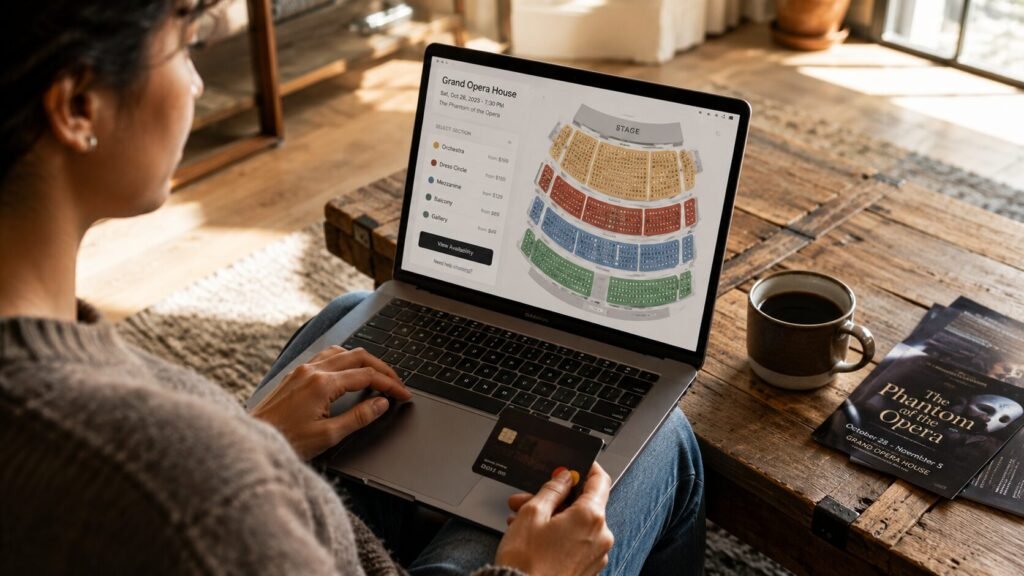
Open the interactive venue map. Gigsberg categorizes seats by color blocks representing specific tiers (Stalls, Circle, Balcony, GA Floor). Compare individual ticket rows and notes provided by the seller, looking out for crucial descriptors like “Restricted View” or “Aisle Seat.”
3.Review the Full Cost Breakdown:Step 3.
Click through to the checkout page to view the total price breakdown. Because Gigsberg operates a secure secondary infrastructure (including fraud screening, seller verification, and a comprehensive buyer guarantee), service fees are applied on top of the seller’s base listing price. Make sure the all-in total fits your budget before inputting details.
4.Select Your Payment and Delivery Method:Step 4.
Input your secure payment method. Gigsberg accepts major trusted financial networks including Visa, Mastercard, American Express, Apple Pay, and Google Pay. Check the delivery type icon—some tickets are instant mobile downloads, while others are transferred securely closer to the show date via mobile ticketing networks.
Visit Official Website
🔥 Trending TicketsWhat are the best tips and timing strategies to avoid paying massive premiums on secondary ticket marketplaces like Gigsberg?
If you have ever stared at a three-hundred percent markup on a secondary ticket platform and felt your blood pressure skyrocket, you are not alone. Secondary marketplaces operate entirely on the laws of supply, demand, and raw human psychology. Resellers rely on your FOMO—fear of missing out—to drive prices through the roof the second an event officially sells out.
But if you understand how the resale lifecycle works, you can flip the script. Data from industry tracking shows that ticket pricing moves in predictable waves. Knowing exactly when to hold out and when to pull the trigger can easily save you thirty percent or more on the exact same seats.
The Three Phases of Ticket Resale Pricing
To beat the markup, you have to understand the three distinct psychological windows that happen between the primary on-sale date and the moment the lights go down at the venue.
1. The Panic Bubble (Avoid This at All Costs)
This window occurs 0 to 14 days after the primary ticket drop. The moment Ticketmaster or a box office shows a “Sold Out” screen, panicked fans rush straight to secondary platforms. Resellers capitalize on this initial wave of desperation by listing tickets at astronomical, speculative prices.
- The Reality: This is almost always the most expensive time to buy. Unless you are chasing a once-in-a-lifetime historic tour with absolute zero inventory, do not let panic dictate your wallet. Let the hype simmer down.
2. The Great Correction (The Mid-Range Sweet Spot)
This window occurs 3 to 6 weeks before the event. By this point, the initial buzz has evaporated. Casual buyers have moved on, and amateur brokers who overextended their credit cards start looking at their unsold inventory with a bit of anxiety.
- The Reality: Prices begin to drift down toward reality. Sellers start undercutting each other to ensure they don’t get stuck eating the cost. This is the optimal window to secure specific, high-quality seats (like lower-bowl center or front-row balcony) before inventory thins out too much.
3. The Last-Minute Freefall (The Budget Play)
This window occurs 24 to 48 hours before showtime. This is where raw mathematics works in your favor. A ticket to a concert that happened yesterday is worth zero dollars. For individual sellers who had a last-minute work conflict or an illness, or for professional brokers trying to salvage their margins, clearing the ticket for something is better than letting it expire.
- The Reality: Industry studies show that buying a ticket on the actual day of a concert can save you an average of thirty-three percent compared to typical secondary market averages.
Timing Sweet Spots by Category
Different events have completely different pricing personalities. A mid-week NBA game behaves nothing like a massive three-day summer music festival.
| Event Category | Optimal Buying Window | Average Savings Potential | Why It Works |
| Arena & Stadium Concerts | Day of the show (or 24 hours prior) | 20% to 33% off average peak | Sellers scramble to offload inventory before the gates open. |
| Major Music Festivals | 12 to 14 days before day one | up to 30% off early bird resale | Festival passes require shipping or complex app transfers; sellers panic two weeks out to ensure delivery time. |
| Professional Sports | 24 to 48 hours before tip-off/kickoff | 15% to 25% off initial listings | Season ticket holders list games early but aggressively slash prices if their team underperforms or the weather turns sour. |
| Broadway & Theater | Tuesday or Wednesday evening performances | $50 to $100 per seat | Mid-week theater crowds are smaller, making last-minute seat drops much more common than weekend matinees. |
Pro Tips to Dodge the Massive Premiums
Beyond just looking at the calendar, you can use a few strategic platform hacks to tilt the financial scales in your favor:
Hunt for the “Single Ticket Anomaly”
If you are willing to attend a show solo, or if you don’t mind sitting a few rows apart from your friends and meeting up at intermission, search for single listings. Sellers who get stuck with an odd single ticket struggle to move it because most people buy in pairs. They will routinely price a single seat significantly below the market rate just to get rid of it.
Target the Mid-Week Drop
The day of the week is a massive pricing driver. A Thursday night show or a Tuesday evening baseball game will consistently feature lower secondary markups than a Friday or Saturday night slot. If a touring artist is playing back-to-back nights in your city, always target the weeknight performance for the best resale breaks.
Watch for “Production Holds” to Crash the Resale Market
Here is an insider secret: right around 24 to 48 hours before a major concert, the venue’s box office will frequently release “production holds.” These are premium floor or lower-bowl seats that were initially blocked off for stage equipment, audio towers, or artist guest lists.
When the stage is physically built and the crew realizes those seats have an unobstructed view, they release them to the public at original face value. The second these official tickets hit the market, secondary resellers are forced to crash their prices to stay competitive.
The Golden Rule of Ticket Timing: If you care more about where you sit than what you spend, buy during the mid-range correction window (3 to 6 weeks out). If you just want to be in the building and care more about saving cash, wait until the morning of the event, set a firm budget, and watch the tickers fall.
Visit Official Website
🔥 Trending TicketsExplain how digital and mobile ticket transfers work between sellers and buyers on modern platforms, and how to verify authenticity.
The old days of printing out a PDF or texting a screenshot of a ticket are completely dead. Today, primary ticketing platforms (like Ticketmaster and AXS) use tokenized, closed-loop ecosystems.
When you buy a ticket on a secondary marketplace, the ticket itself doesn’t actually live on that reseller site. Instead, the marketplace acts as a secure coordinator to force a direct, official transfer inside the primary ticketing infrastructure.
How Mobile Ticket Transfers Work
The magic of a modern digital transfer is that the ownership token moves entirely inside the official venue app network. Here is exactly how that chain of custody plays out:
1.Seller Initiates Transfer:On the Primary Platform.
The seller logs into the official app where the original ticket lives (like Ticketmaster or a team account manager). They click “Transfer,” select your seats, and input the email address provided during your checkout.
2.Buyer Receives Official Invitation:Via Email or Text.
The primary platform triggers an automated, secure notification directly to you stating that tickets have been sent. This notification contains a unique, official cryptographic claim link.
3.Accepting the Transfer:Account Creation or Login.
You click the secure link and sign into the primary ticketing platform using the exact email address used for your purchase. If you don’t have an account under that email yet, creating one instantly hooks the transfer.
4.Barcode Re-generation:Ownership Swap Completed.
The exact millisecond you hit “Accept,” the old barcode inside the seller’s app is permanently deactivated and wiped out. The primary network generates a brand-new, unique token and barcode assigned exclusively to your account.
Visit Official Website
🔥 Trending TicketsVerifying Authenticity: How to Spot a Real Ticket vs. a Fake
Because modern systems are entirely digital networks, checking authenticity is no longer about looking at paper watermarks or holograms. Instead, you verify your tickets by looking for specific live technical features:
1. The Moving Barcode (Dynamic Tokens)
Most major arena and stadium tours now utilize rotating barcode technology, such as Ticketmaster’s SafeTix or AXS’s Mobile ID.
- The Authentic Trait: When you pull up the ticket in the official app, the barcode or QR code is actively alive. You will see a blue line sweeping across the code repeatedly, or the barcode itself will completely morph and refresh every 15 seconds.
- The Fakeout: If someone tries to sell you a static image file, a video screen recording, or a PDF printout, it will not grant you entry. Turnstiles are synced live to the active cryptographic token; a screenshot reads as expired or stolen the moment it hits the laser scanner.
2. Live Interface Shimmer
To prevent scammers from coding fake apps that merely mock up the visual look of an official ticket, primary platforms use device orientation sensors. When you hold an authentic ticket on your phone and physically tilt your device left or right, the surface of the digital ticket will display a subtle moving light reflection or shimmer effect.
3. Native Wallet Integration
Legitimate digital passes will always give you a dedicated button to add them directly to your native smartphone ecosystem via Apple Wallet or Google Wallet.
- When you push a secure ticket to your phone’s wallet, it often switches over to Near Field Communication (NFC) technology. The visible barcode might disappear entirely, replaced by a “Hold Near Reader” wave icon.
- At the gate, you simply tap your phone against the turnstile. The scanner reads an internal encrypted chip inside your phone—a feature that is completely impossible for a counterfeiter to copy.
The Golden Rule of Authentication: If your ticket lives natively inside the official Ticketmaster, AXS, or official team app, and you can see the animated elements updating in real-time, your ticket is 100% authentic. The primary platform has legally registered you as the sole owner, and the original seller completely loses access to those seats.
Visit Official Website
🔥 Trending TicketsWhat are the best tools and strategies to track secondary ticket price drops automatically without checking the apps every hour?
Constantly refreshing secondary ticket apps to see if a seller blinked and dropped their price is a fast track to burnout. Professional ticket brokers use automated software to manage their inventory and optimize their margins, which means trying to out-refresh them manually is an uphill battle.
To beat them at their own game without losing your sanity, you need to automate your surveillance. A solid mix of native ticketing features and clever page-monitoring software can monitor the entire secondary market in the background and ping your phone the exact second prices hit the floor.
1. Dedicated Ticket Aggregator Apps
Instead of tracking four different resale sites individually, use an app that pulls data from all of them simultaneously and lets you set universal price triggers.
- TicketJam: Built specifically for live entertainment fans, this app aggregates data from the largest secondary networks to find the lowest active listings. Its best feature is Unlimited Price Alerts. You simply find your event, input the exact dollar amount you are willing to pay, and the app monitors the market, sending a real-time push notification the moment a ticket matches your budget. It also maps out visual price history charts so you can see if current listings are at an all-time high or trending downward.
- TicketSwap: If you are hunting for tickets to major international music festivals, European club nights, or theater runs, this platform utilizes a secure ticketing alert system. Because it caps resale margins to keep pricing fair for fans, in-demand tickets vanish in seconds. Setting up a native push notification alert here ensures you get an instant shot at buying fan-to-fan transfers before they hit mainstream secondary brokers.
2. Native Resale Platform Trackers
If you prefer to buy through large, established marketplaces, make sure you are squeezing all the utility out of their built-in data systems.
- TickPick (The All-In Tracker): Tracking price drops on standard platforms can be incredibly deceptive because a ticket that drops from $150 to $110 might look like a massive deal—until $45 in hidden checkout fees get slapped on at the final step. TickPick operates with zero buyer fees, meaning the price you track on their grid is the absolute all-in cost. Use their native Track Events toggle to watch the global price floor move and receive mobile alerts when sellers slash their baseline.
- SeatGeek (The Value Tracker): Beyond standard price alerts that trigger push notifications for price drops, SeatGeek applies a proprietary Deal Score (ranked 1 to 10) to active listings. If you set a broad price alert for a venue, its system will notify you not just when the entry price falls, but when a highly rated seat (like a lower-box section) drops into a pricing tier usually reserved for the nosebleeds.
3. The Secret Weapon: Web Page Scrapers
What happens if you want to track a specific secondary marketplace like Gigsberg, or an independent local venue box office that doesn’t have a flashy mobile app with built-in alerts? You use a cloud-based web scraper to build your own custom automated tracking system.
- Visualping: This tool tracks visual changes on any specific URL on the internet. You simply paste the exact event listing page into Visualping, draw a digital visual box around the “Lowest Price” or seat tier element, and choose your check frequency (e.g., every 15 minutes for a hot show, or daily for a distant event). The moment the numbers change, it fires an email directly to your inbox showing a visual before-and-after snapshot of the price drop.
- Distill.io: Available as a background browser extension or cloud account, Distill lets you select specific text elements (like a price tag on a seat row) and monitors them at custom intervals. You can program specific condition rules, such as “Only alert me via SMS/Email if this specific text element drops below $120.” It strips out the manual work entirely, running silently in the background while your computer is closed.
The Ultimate Automation Strategy
To get the absolute best deal with the least amount of effort, combine these tools into a unified strategy:
| Timeline | Action Step | Tool to Use |
| 3 Weeks Out | Map out the historical price baseline to see what real fans are actually paying. | TicketJam |
| 2 Weeks Out | Toggle on global event tracking to monitor macro price movements across major hubs. | SeatGeek or TickPick |
| 48 Hours Out | Lock a tight visual tracker on a specific premium section or row to catch desperate sellers dropping prices before doors open. | Visualping or Distill.io |
Visit Official Website
🔥 Trending TicketsWhat are the hidden delivery and service fees to look out for on secondary ticket sites, and how can you avoid them?
“Stepping through the checkout line on a secondary ticket site used to feel like walking into a financial ambush. You’d find a pair of balcony seats listed for an apparently reasonable $80 each, only to watch that number mysteriously balloon to $230 by the time you reached the final payment screen.”
Thanks to the FTC’s recent crackdown on junk fees, major platforms are now legally required to show you All-In Pricing upfront. They can no longer completely hide mandatory “service” or “convenience” fees until the absolute last second. However, just because the fees are transparent doesn’t mean they’ve disappeared. Resale marketplaces still routinely tack on heavy margins to cover their buyer guarantees, fraud screening, and platform maintenance.
If you want to keep your hard-earned cash in your wallet, you need to know exactly what fees are still lurking in the fine print and the exact strategies to bypass them.
The Big Three Ticket Fees to Watch Out For
Even with upfront pricing rules, platforms still break down their costs into a few specific buckets before you click “Buy Now.” Understanding these categories helps you calculate where you are being overcharged:
1. The Buyer Service Fee (The Percentage Monster)
This is the heavy hitter. It is typically a variable percentage—ranging anywhere from 20% to 35% of the ticket’s base price—added by the platform to monetize the transaction. If a seller lists a high-demand stadium seat for $300, the platform might add a massive $90 service fee on top of it.
2. The Electronic Transfer / Mobile Delivery Fee
Even though sending a digital ticket token costs a fraction of a cent in automated server bandwidth, some secondary platforms still try to slide a flat “delivery fee” ($5 to $15) into the final billing step. While the FTC rule forces mandatory fees into the initial displayed price, shipping and optional handling fees can technically still be applied later in the transaction before you input your credit card.
3. The Flat Order Processing Fee
Unlike the service fee which scales up with the price of the ticket, this is a smaller, static flat fee (usually $2 to $5) applied to the entire order to cover merchant credit card processing costs.
Visit Official Website
🔥 Trending TicketsHow to Dodge and Minimize Resale Fees
You do not have to just sit back and take these markups. Use these specific insider strategies to find lower fees or avoid them altogether:
1. Pivot to “No-Fee” Marketplaces
The easiest way to skip the math headaches is to shop on platforms that build their entire business model around zero buyer fees.
- TickPick is the gold standard here. They completely eliminate buyer-side service fees. Instead, they make their margins by charging the seller a flat percentage to list the ticket. The price you see on the seat map is the exact dollar amount charged to your card.
- When comparing options, look up the same row and section on a no-fee site versus a traditional marketplace; you will routinely find that the “no-fee” route saves you $20 to $60 per ticket on the total checkout amount.
2. Use Fan-to-Fan Face-Value Exchanges
If you are tired of corporate broker networks entirely, move over to ethical, fan-first resale communities. Platforms like CashorTrade (highly popular for jam bands, indie music, and rock festivals) or TicketSwap enforce a strict face-value ceiling.
- Sellers on these platforms are legally prohibited from turning a profit on the tickets.
- Because these platforms operate to protect the community rather than maximize massive venture-capital margins, their platform transaction fees are capped at minimal percentages (often around 3% to 10%), saving you massive amounts of cash compared to traditional secondary giants.
3. Squeeze the “All-In Pricing” Toggles to Compare True Costs
If you are cross-shopping mainstream secondary sites like SeatGeek, StubHub, or Vivid Seats, never trust the initial default sort list.
Always head straight to the filter menu and ensure the “Include Fees” or “All-In Pricing” toggle is turned on. Because different platforms charge different backend fee percentages, a ticket listed at $100 on Site A might end up costing $135, while a ticket listed at $110 on Site B might only hit $122 all-in. Always make platforms show you their true bottom line before you waste time entering your shipping info.
4. Capitalize on “Geographic Arbitrage” and Local Laws
The legal landscape for ticketing is shifting fast. For example, states like Vermont recently signed strict laws capping secondary ticket markups at 110% of original face value and banning deceptive resale tactics for local independent venues. Other major states like California and New York are actively pushing similar legislation.
- If you are traveling for a show or live near a state border, look up the specific resale laws of the venue’s location. You can often score massive breaks simply because local regulations prohibit out-of-state brokers from gouging the inventory.
5. Go Old School: Check the Physical Box Office
If an event hasn’t completely sold out yet, or if you are hunting for last-minute production holds released by the venue, get off your phone and drive down to the physical box office. Buying a ticket directly from a venue’s physical window completely eliminates the online convenience and digital processing fees charged by both primary and secondary web networks. It is a classic move that can instantly save a group of friends over $100 on a night out.
The Savvy Buyer’s Playbook: Never buy from the first site you open. Toggle on “All-In Pricing,” check a dedicated no-fee site like TickPick to establish the true market baseline, and scan a fan-to-fan exchange to see if an honest fan is simply trying to get their money back.
Visit Official Website
🔥 Trending TicketsWhat are the best methods to find legitimate discount codes and cash-back offers for major secondary ticket marketplaces?
Hunting for discount codes and cash-back offers on secondary ticket marketplaces can feel like looking for a needle in a digital haystack. Because ticket brokers operate on tight margins, you rarely see massive, blanket site-wide sales like you would on clothing or home goods.
However, if you know where the marketing dollars are hidden, you can consistently shave money off your total checkout price. Companies invest heavily in acquisition and customer loyalty—and you can strategically leverage those programs to stack your savings.
1. Capitalize on “Podcast and Influencer” Acquisition Codes
Ticket platforms like SeatGeek, StubHub, and Vivid Seats allocate enormous chunks of their marketing budgets to audio and video content creators. If you hear a host on a popular sports, comedy, or true-crime podcast plug a ticket app, write that code down.
- How to Use It: These promotional codes almost always give $10 to $20 off your first purchase of $150 or more.
- The Hack: If you are an existing customer, the platform’s system will block you from using the code. To bypass this, check out using a secondary email address, or have a friend or family member create a clean account to process the transaction for your group.
2. Leverage Cash-Back Shopping Portals
Never buy a secondary ticket without running it through a browser-based cash-back extension or portal first. Large platforms routinely partner with affiliate networks to incentivize buyers.
- Rakuten & TopCashback: Major sites like Ticketmaster resale, StubHub, and Vivid Seats frequently activate cash-back offers ranging from 2% to 5% back on the purchase price. While a 3% cash-back rate might sound small on a standard consumer item, if you are buying a bundle of stadium seats for $600, that is an effortless $18 back in your pocket.
- Browser Extensions: Install tools like PayPal Honey or Capital One Shopping. At checkout, they automatically scrape the web for active, user-submitted promotional text strings and test them in real-time before you pay.
3. Maximize Credit Card Rewards and Statement Offers
Your credit card dashboard is an absolute goldmine for ticket discounts that casual buyers completely overlook. Financial institutions partner directly with ticket networks to drive card utilization.
- Amex Offers & Chase Offers: Log into your bank app and look through your merchant reward tabs. Cards frequently run targeted statement credits such as “Spend $150 at SeatGeek, get $20 back” or “5% back on select live entertainment platforms.” You must explicitly click “Activate” or “Add to Card” before making the purchase to lock in the credit.
- Dedicated Portals: Capital One Entertainment and Chase Experiences host internal portals where you can use your accumulated credit card points to purchase premium ticket inventory directly, often matching or undercutting traditional resale market values while avoiding typical web service fees.
4. Run the Email Sign-Up and Referral Loops
If you are navigating a platform for the first time, look for the welcome modal.
- The Initial Pop-Up: Platforms like Vivid Seats often offer a clean 10% off discount code simply for joining their email newsletter list. You can utilize a burner email account to secure the code and instantly apply it to your order.
- The Referral Match: Look for the “Invite a Friend” tab inside your account. Most major ticket platforms operate a referral loop where sending a unique signup link gives your friend $10 or $20 off their first order, and hooks your account with a matching credit the moment their purchase goes through.
5. Opt-In to Native Platform Loyalty Programs
If you find yourself attending multiple live shows, concerts, or sporting events throughout the year, lean heavily into platforms that feature built-in reward trackers.
- Vivid Seats Rewards: This program operates on a clean stamp-card system. Every ticket you purchase earns you one virtual stamp. Once you accumulate 10 stamps, the platform issues a Reward Cash credit equivalent to the average price of those 10 tickets. If you routinely handle the ticket purchases for your group of friends, you can easily rack up free high-value seats for yourself later in the year.
The Quick Checklist Before Checking Out: Before inputting your credit card details, check your bank app for statement offers, turn on your cash-back browser extension, and test a fresh “New User” code using a clean profile. Taking an extra three minutes to verify these layers can easily wipe out the cost of your processing fees.
Visit Official Website
🔥 Trending TicketsWhich credit cards offer the highest permanent point multipliers for live concerts, sports, and theater tickets?
If you’re looking to rack up serious rewards on live concerts, sporting events, and theater tickets, a few standout cards offer massive permanent multipliers. Maximizing your return usually comes down to a simple choice: whether you’re willing to buy tickets through an issuer’s proprietary entertainment platform or if you want a heavy hitter for direct purchases on sites like Ticketmaster, StubHub, and box offices.
The top credit cards offering the highest permanent point and cash-back multipliers for live events include:
Capital One Savor Cash Rewards Card
This is arguably the most well-rounded option for entertainment junkies, especially since Capital One streamlined the Savor line into a single, no-annual-fee powerhouse. If you buy tickets through the Capital One Entertainment platform (which is backed by Vivid Seats), you earn a massive 8% cash back. For any tickets you buy outside the portal—like directly from the venue box office, Ticketmaster, or independent promoters—you still pull down a permanent, uncapped 3% cash back under the general entertainment category.
Citi Custom Cash® Card
For people who buy tickets in bursts or have one or two big events a month, this card is a perfect fit. It automatically gives you 5% cash back on your top spending category each billing cycle, up to the first $500 spent. Because “Live Entertainment” is an eligible category, you can dedicate this card strictly to your concert, theater, or stadium sports purchases to lock in that 5% return. It features a $0 annual fee, making it an excellent specialized tool to keep in your rotation.
Wells Fargo Attune® Card
If you want uncapped, high-earning rewards on direct ticket purchases without messing with portals, the Attune is a sleeper hit. This card earns an unlimited 4% cash back on select sports, recreation, and entertainment with no annual fee. Wells Fargo’s category definitions here are incredibly generous; they explicitly include ticket agencies, theatrical producers, professional sports clubs, and live entertainers. This means standard checkouts on major platforms like Ticketmaster or SeatGeek easily trigger the 4% multiplier.
Capital One Venture X Rewards Credit Card
If you prefer earning flexible travel miles over cash back, the premium Venture X (as well as the standard Venture card) hits the sweet spot. It awards 5x miles per dollar spent when booking live event seats directly through the Capital One Entertainment portal. For any ticket purchases made outside the portal, you will still fall back on the card’s baseline flat rate of 2x miles per dollar.
U.S. Bank Altitude® Reserve Visa Infinite® Card
Though it doesn’t feature a dedicated “entertainment” category, this premium card offers a brilliant workaround. It earns a permanent 3x points on all mobile wallet purchases (Apple Pay, Google Pay, Samsung Pay). Because almost every major ticketing app and resale marketplace allows you to check out using a mobile wallet on your phone, you can consistently secure 3x points on your purchases. If you redeem those points for travel through U.S. Bank, they get a 50% value boost, effectively turning your ticket spending into a 4.5% return.
How to Choose Your Strategy
- The Portal Route: If you regularly use Vivid Seats or don’t mind shopping through an issuer’s dashboard, matching your purchases with a Capital One card for the 8% cash back or 5x miles is tough to beat.
- The Direct Route: If you prefer buying straight from the primary ticket provider or box office to avoid third-party platforms, grabbing the Wells Fargo Attune for an uncapped 4% return, or routing a $500 monthly chunk through the Citi Custom Cash for 5%, will yield the absolute highest returns.
Visit Official Website
🔥 Trending TicketsWhat are the best tools and strategies to track secondary ticket price drops automatically without checking the apps every hour?
Staring at your phone and refreshing ticket apps every twenty minutes hoping a reseller gets desperate is a sucker’s game. The secondary ticket market is dominated by professional brokers running high-speed inventory software that automatically adjusts prices based on algorithmic demand. If you’re trying to compete by manually hitting “refresh,” you’re going to lose out to a bot or give yourself an absolute headache before doors even open.
To grab the best deals without losing your mind, you need to turn the tables and automate your surveillance. Depending on how deep down the ticket-hunting rabbit hole you want to go, a few sharp tools and strategies can handle the grunt work in the background and ping your phone the second prices hit the floor.
1. The Built-In Aggregators (The No-Brainer Setups)
If you want a clean app-based experience where you don’t have to code anything, your best bet is to leverage platforms that track the wider macro market and offer native push notifications.
- TicketJam: This is a fan favorite for live music. Instead of forcing you to check four different secondary apps, TicketJam scans multiple resale networks simultaneously to pull up the absolute lowest active listings. Its best feature is Unlimited Price Alerts. You find your show, set your absolute maximum walk-away dollar amount, and the app monitors the market 24/7, firing a real-time notification to your phone the exact second a ticket falls into your budget.
- SeatGeek & TickPick: If you are shopping on the big marketplaces, never browse blindly. Use TickPick if you want to track true “All-In” pricing (they have zero buyer fees, so the tracked price is what you actually pay). On SeatGeek, utilize their Track Event matrix alongside their Deal Score filter. Instead of just alerting you when the cheapest ticket drops, SeatGeek can notify you when a high-value seat (like lower-bowl center) suddenly dips into a pricing tier usually reserved for the nosebleeds.
2. Hardcore Monitoring Engines (The Power-User Play)
If you are hunting for highly coveted, impossible-to-get tickets—like a massive Taylor Swift stadium tour, the Super Bowl, or a high-stakes Broadway run—standard app alerts might update too slowly. You need a dedicated data scraper that tracks secondary markets with sub-minute precision.
- TicketsData: This is a specialized cloud platform built specifically to automate ticket intelligence without requiring you to write a single line of code. You copy an event URL from a site like StubHub, Vivid Seats, or SeatGeek, paste it into the dashboard, and set a custom check interval (anywhere from every 60 minutes down to every single minute).
- Why it rules: You can set hyper-granular triggers. For example, you can tell it to only alert you if a ticket in “Section 102, Rows A-F” drops below $150, or if someone adds a new listing that includes a parking pass. It can batch these alerts and shoot them instantly to your email or even a private Discord channel via webhooks.
3. Web Page Scrapers (The Any-Site Solvers)
What happens if you want to track a localized theater box office, a niche fan-to-fan exchange board, or a international marketplace that doesn’t have a flashy app with built-in alert systems? You build your own custom tracker using a visual web scraper.
- Visualping: This tool essentially takes digital screenshots of a specific webpage at scheduled intervals and compares them for changes. You paste the ticket URL into Visualping, draw a visual bounding box directly over the “Lowest Price” field or the ticket inventory matrix, and set your frequency. The moment a seller blinks and drops their price, the visual change triggers the system, and Visualping fires an email straight to your inbox showing a clear before-and-after snapshot of the price drop.
- Distill.io: Available as a background browser extension or a cloud account, Distill lets you select specific text elements on a page (like a raw price number). You can program custom conditional logic, such as: “Only alert me via SMS or desktop notification if this specific text number drops by more than 20%.” It runs silently in the background while you go about your work day, completely eliminating the need to camp out on a webpage.
Visit Official Website
🔥 Trending TicketsThe Ultimate Automation Strategy Matrix
To maximize your savings without wasting hours of your life, orchestrate these tools using a timeline strategy:
| Time Until Event | Your Automation Setup | What It Does |
| 3 to 4 Weeks Out | Turn on broad event tracking on TicketJam or TickPick. | Establishes your pricing baseline and tracks how fast the overall ticket inventory is shrinking. |
| 1 Week Out | Set a visual bounding box alert via Visualping on the venue’s official box office site. | Catches the exact moment the venue releases “production holds”—premium seats held for the stage crew that are suddenly dropped at face value. |
| 24 to 48 Hours Out | Lock a high-frequency TicketsData run at 5-minute intervals onto major secondary sites. | Exploits the desperate “panic-selling” window where brokers aggressively cut costs to avoid getting stuck with expired, worthless inventory. |
The Pros and Cons of Using Gigsberg
No ticket marketplace is absolutely perfect. To write an honest, transparent review, we have to weigh the positive elements against the natural drawbacks of using a secondary ticket platform.
The Upside (Pros)
- The Gigsberg Buyer Guarantee: The security of knowing your money is held in escrow until the event safely concludes provides massive peace of mind compared to unverified peer-to-peer sales on social media.
- Access to Sold-Out Inventory: It acts as a reliable back door for events that completely cleared out during primary pre-sales.
- Global Footprint: Seamlessly search for tickets across different continents and pay using universal modern options like Apple Pay and Google Pay.
- User-Friendly Interface: The layout is remarkably clean, avoiding the chaotic, ad-heavy clutter that plagues older secondary ticket directories.
The Downside (Cons)
- Prices Above Face Value: For hyper-popular events, sellers will mark up ticket prices significantly based on demand.
- Platform Service Fees: The cost of maintaining the buyer guarantee and secure system means service charges are added at checkout.
- Dynamic Inventory: Listings fluctuate constantly. If you see a perfect pair of seats at a great price, they can be snatched up by another fan if you hesitate too long.
Visit Official Website
🔥 Trending TicketsFrequently Asked Questions: The Real Truth About Resale Sites
Is Gigsberg a genuine and trustworthy ticket site?
Yes, Gigsberg is a legitimate secondary ticket marketplace operating out of Switzerland. It is not a scam or phishing site. However, because it functions as a peer-to-peer broker platform, individual sellers set the prices—not Gigsberg. This means tickets for high-demand, sold-out tours can be significantly marked up compared to their original face value.
What is the Gigsberg guarantee and how does it protect buyers?
Gigsberg uses a secure escrow-like payment model to protect consumers. When you purchase a ticket, the platform holds your funds and does not release the payout to the seller until after you have successfully attended the event. If a ticket fails to work at the turnstile, the seller doesn’t get paid, and Gigsberg’s buyer guarantee kicks in to provide a 100% financial refund or secure comparable replacement seats.
How do you check if a ticket bought online is legit?
Modern digital tickets do not rely on paper watermarks or static PDF printouts. Authentic tickets on major networks feature a dynamic, rotating barcode (like Ticketmaster SafeTix or AXS Mobile ID) that automatically morphs every 15 seconds to prevent replication. If someone tries to sell you a static screenshot or a video recording of a barcode, it will not get you past the gates. The ultimate proof of authenticity is a successful, direct transfer into your official account inside the primary ticketing network’s native app.
What is the safest website to buy tickets?
The absolute safest place to buy tickets is always the primary box office or official ticketing partner (such as Ticketmaster, AXS, or the venue’s direct site) because you are purchasing guaranteed inventory at base face-value pricing. If an event is entirely sold out and you must use the secondary market, platforms backed by strict corporate escrow policies (like TickPick, StubHub, or Gigsberg) are the safest alternatives because they legally protect your money against fraudulent sellers.
Is it risky to buy tickets from StubHub?
The risk of getting turned away with a fake ticket on StubHub is incredibly low due to their institutional FanProtect Guarantee. The real risk with StubHub is financial. As a resale platform, baseline prices are dictated by scalpers, and the platform adds hefty service fees at checkout—often averaging between 20% to 28% of the listing price.
How do I get my tickets from Ticketsonsale?
Ticketsonsale operates as a secondary ticket broker. Once your purchase is confirmed, your tickets are delivered digitally. The seller will initiate an official transfer link via email. You must click that specific link and log into the primary ticketing app assigned to that venue (usually Ticketmaster) using the exact email address you used at checkout to claim ownership of the seats.
What are Gigsberg’s booking fees and how do they compare to Ticketmaster?
Gigsberg charges variable service and booking fees that scale up based on the location and demand of the event, often adding a 20% to 30% premium at checkout to fund their platform security measures. By comparison, primary Ticketmaster service fees typically average around 12% to 20% of a ticket’s original face value, along with smaller flat-rate processing and local venue facility charges.
What do Gigsberg reviews look like on Reddit, Trustpilot, and TripAdvisor?
The feedback varies significantly depending on the platform you check:
- Trustpilot: Reviews are generally positive, with a solid rating driven by fans who received their digital transfers smoothly and attended their shows without a hitch.
- Reddit & TripAdvisor: Discussions lean much more critical. Most negative threads are not about fake tickets, but rather express frustration over the steep secondary markups and processing fees that casual buyers didn’t realize they were paying until checkout.
“Prefer a visual breakdown? Check out this independent video review detailing how the platform protects buyers at the gate.”

Visit Official Website
🔥 Trending TicketsHow much does it cost to go to a Justin Bieber meet and greet?
Official VIP meet-and-greet packages for Justin Bieber tours historically range anywhere from $900 to over $5,000 per ticket depending on the venue and proximity to the stage. Because these high-end hospitality packages are strictly limited to a handful of slots per city, their prices rarely drop on secondary markets. However, fans should always review the fine print carefully before buying from brokers, as he has frequently canceled or scaled back the physical meet-and-greet portions of his VIP packages on past tour legs due to health and safety protocols.
The Nitty-Gritty: Gigsberg Logistics, Fine Print & FAQs
You have got the strategy down, but when you are about to drop cash on a major event, you need to know exactly how the platform handles the boring logistical details. Instead of making you sift through pages of dry legal text, here is the direct, straight-shooting breakdown of how Gigsberg handles buying, selling, and troubleshooting behind the scenes.
Buying & Managing Your Tickets
- Can I get an official receipt for my tax records or expense reports?Absolutely. Once your transaction clears, you do not have to wait for an email. Just log into your profile, head over to the ‘My Orders’ tab in your account management console, and hit the ‘Receipt’ link next to your specific booking to download it instantly.
- Can I give or transfer my tickets to a friend?Yes. Once you purchase a ticket on the platform, it belongs to you. You are completely free to gift it, hand it off, or transfer the digital token to anyone you like.
- What if my checkout went through but I never got a confirmation email?Don’t panic—inboxes love to eat automated messages. First, check your Junk and Spam folders. Next, log into the Gigsberg site, click your name in the top right corner, and open ‘My Purchases.’ If the order shows up on your dashboard, your transaction was a success and you are completely locked in. If that page is completely blank, your payment didn’t clear. If you see a charge on your card but a blank dashboard, ping their customer care team right away to get it manually sorted.
Delivery, Tracking & Physical Shipments
- Can I change my physical shipping address after ordering?That depends entirely on timing. If your tickets have already been picked up by the courier (usually UPS), Gigsberg cannot alter the route; you will need to contact the shipping company directly with your tracking number to redirect the package. However, if the seller hasn’t printed the shipping label yet, you can instantly update your delivery details inside your account management console.
- How do I actually download my e-tickets?Keep an eye on your account status indicator. The moment the dashboard updates to ‘Sent,’ the digital files are ready. If the automated link doesn’t land in your email inbox, bypass it completely by logging into the website and downloading the digital passes straight from your secure customer console.
- Can I just arrange to pick up my tickets in person at the venue box office?No. Because Gigsberg is a global peer-to-peer ecosystem, the individual selling your ticket could be located anywhere in the world. To protect everyone’s privacy and security, the platform relies strictly on verified digital delivery or tracked couriers.
Payments, Price Adjustments & Refunds
- What payment methods can I use at checkout?The platform supports major global financial networks. You can check out securely using all standard debit and credit cards (Visa, Mastercard, American Express), Apple Pay, Google Pay, or the instant bank payment network Volt.
- What should I do if my bank statement shows a double charge?System glitches happen occasionally across the web. If you see two identical pending charges for a single order, reach out to Gigsberg customer service right away. They can look up the duplicate transaction ID and issue a reversal.
- How long does it take for a refund to hit my bank account?Standard processing and banking security protocols mean refunds generally take anywhere from 14 to 28 business days to clear back onto your original payment statement. If your funds are still floating in limbo after 28 business days, grab your transaction ID and contact support to initiate a formal trace.
Cancellations, Postponements & Reselling
The Golden Rule of Resale Marketplaces: All sales on Gigsberg are final. Because you are buying from independent third-party sellers, you cannot cancel your order or get a refund simply because your plans changed or you changed your mind.
| If the Event Status Is… | What Happens next? | Your Action Step |
| Rescheduled or Postponed | Your original tickets remain 100% valid for the new date. | Do nothing. Hold onto your passes; they will work seamlessly at the gate for the new schedule. |
| Officially Cancelled | The event is dead in the water and you are entitled to a full reimbursement. | Gigsberg will email you a complete breakdown of your options, including a 100% financial refund. |
| Buyer Can No Longer Attend | You cannot get a refund from the platform. | Use the ‘Sell Tickets’ link in the top right corner of the homepage to flip your seats back onto the market and recoup your cash. |
The Seller’s Playbook: Turning Extra Tickets Into Cash
- Can I list tickets for resale if I live outside the United States or United Kingdom?Yes. Gigsberg operates globally. If you have physical tickets that need to cross borders, you can utilize the platform’s integrated worldwide UPS courier service to handle the shipping logistics smoothly.
- Why do I have to input my credit card number if I am the one selling?This is Gigsberg’s primary security guardrail against bad actors. Your credit card acts as collateral. If you fail to deliver the tickets you promised, or if you upload an invalid barcode that strands a buyer at the gate, Gigsberg will use your card to cover the operational cost of securing valid replacement seats for that fan.
- When do I actually get my payout check?To eliminate the financial incentive for ticket fraud, sellers are paid via standard bank transfer roughly 28 days after the event successfully concludes. This ensures the buyer safely entered the venue before the cash leaves escrow.
Technical Support & Accessing Human Help
- Why am I not receiving my password reset emails?Beyond the standard spam filter check, look at how you originally signed up. If you used Facebook Connect to build your profile, Gigsberg sends the secure reset links directly to the ancient email address linked to your primary Facebook settings—not your current day-to-day inbox.
- When is customer service active, and can I buy tickets over the phone?To keep transactions secure and fully encrypted, all orders must be placed directly through the online interface; support agents cannot process payments over a phone call. However, if you run into a platform glitch, their customer care desk is online 7 days a week from 7:00 AM to 1:00 AM via email and integrated chat apps. You can track down their active portal links directly at .Contact us
Beyond the Box Office: Upgrading Your Digital Lifestyle & Travel Tech Stack
Scoring the perfect seats on a resale platform is a major win, but true event-day mastery means sorting out the rest of your lifestyle logistics. Whether you are traveling across the country for a stadium tour, trying to scale your side hustle to fund your festival habit, or looking to edit clean vlogs of your night out, you need a reliable tech stack.
To help you optimize your budgets and digital tools, we have mapped out the ultimate high-authority tool kits to upgrade your lifestyle before you head to the show.
Smart Travel Logistics & Content Gear
If you are flying out to catch an iconic West End show or traveling across state lines for a massive summer music festival, the ticket is only half the battle. You still have to figure out how you are getting around a new city without burning through cash on surge-priced rideshares. We did the legwork to find the smartest way to book cheap rental cars in the USA so you can keep your transit costs on the floor and your travel itinerary flexible.
Once you are actually inside the venue, you are obviously going to capture tons of memories on your phone. But let’s be completely real—raw, shaky phone footage with blown-out arena audio can look messy on social media. If you want to transform your raw live music clips into an elite, viral festival recap, you can effortlessly fix your mid edits with MOVAVI to make your video content look straight gas with zero editing headaches.
Automated Budgeting & Smart Event Funding
Dropping cash on front-row theater stalls or premium VIP sports packages requires a tight handle on your personal capital. If you are trying to figure out what is the best AI to help with finances, our deep dive into Spendify 2.0 outlines exactly how to let machine learning automate your savings tracking so you always have a dedicated entertainment fund on standby.
If you are a college student looking for clever ways to free up extra cash for tour season without taking on massive debt, do not miss our comprehensive Scholar
shipOwl review. It details the exact pros and cons of using automated application matching to secure extra school funds, leaving your hard-earned paycheck completely free for live events.
Verifying Security Across the E-Commerce Landscape
The anxiety over online scams is not just limited to ticket marketplaces like Gigsberg. E-commerce and discount retail hubs all over the web leave consumers questioning who to trust with their credit card data. To help you protect your wallet across the broader digital landscape, read our full EveryMarket review truth exposed to learn how to identify secure, verified consumer networks from sketchy clone sites.
Elite Digital Infrastructure for Nomads & Hustlers
For the modern digital creators, bloggers, and high-frequency traders who fund their premium live entertainment habits by working completely from the road, a sluggish internet setup is a career killer. If you are scaling a major media platform, you already know why top content creators are ditching shared hosting for Cloudways to handle traffic spikes smoothly.
If your daily hustle leans more toward the trading desk than the blog editor, running high-speed trading algorithms on a patchy hotel Wi-Fi connection is a massive risk. Maximizing your execution speed means tap-dancing directly into the architecture of alpha and New York Forex VPS infrastructure to keep your data latency at absolute zero while you travel.
Legalizing Your Income Blocks & Finding Creative Inspiration
When those online side hustles start taking off, it is vital to formalize your setup to protect your assets and streamline your tracking. We put together a clear, step-by-step walkthrough on how to register an LLC for $0 using automated business formation tools. To ensure your growing business structures stay completely compliant while you focus on booking travel, check out whether a Business Anywhere tax residency consultation is worth the investment to keep your financial foundations rock solid.
Finally, there is an undeniable magic that happens when you leave a phenomenal live performance. Watching a world-class rock band or acoustic theater set up close naturally inspires a lot of fans to start creating their own art. If a legendary concert leaves you itching to create your own music instead of just listening to it, explore our breakdown of the fastest way to learn guitar with Guitar Learning Evolution to master the fretboard before your favorite artist announces their next tour run.
Final Verdict: Is Gigsberg Legitimate and Worth Using?
When it comes down to it, Gigsberg is a highly polished, secure, and fully legitimate secondary ticket marketplace that succeeds in solving the modern fan’s biggest headache: finding entry into sold-out events. Its strict buyer escrow policy protects consumers from the rampant fraud found on informal social platforms, making it an excellent option for travelers, sports fans, and theater lovers looking for guaranteed seats.
While you should always be mindful of secondary market markups and processing fees, the convenience, interface clarity, and robust customer guarantee make Gigsberg a top-tier alternative for securing your spot at the next unforgettable live experience.
Visit Official Website
🔥 Trending Tickets