The global trajectory of urban agriculture has shifted significantly toward decentralized, home-based production systems, driven by a confluence of technological miniaturization and a heightened consumer emphasis on food security and wellness. Among the prominent entrants in this burgeoning sector, the Ahopegarden Indoor Garden Hydroponics Growing System, particularly the 10-pod configuration, represents a critical intersection of accessibility, affordability, and agricultural efficacy. This analysis examines the technical specifications, market positioning, and socioeconomic impact of the Ahopegarden system, evaluating its utility for specific demographics such as senior citizens, novice gardeners, and residents of small urban apartments. By exploring the system’s engineering, its competitive advantages in the “under $” price bracket, and its integration of contemporary cultural trends, this report provides a comprehensive review of the current state of home-based hydroponic technology.
Engineering Foundations and Countertop Architecture
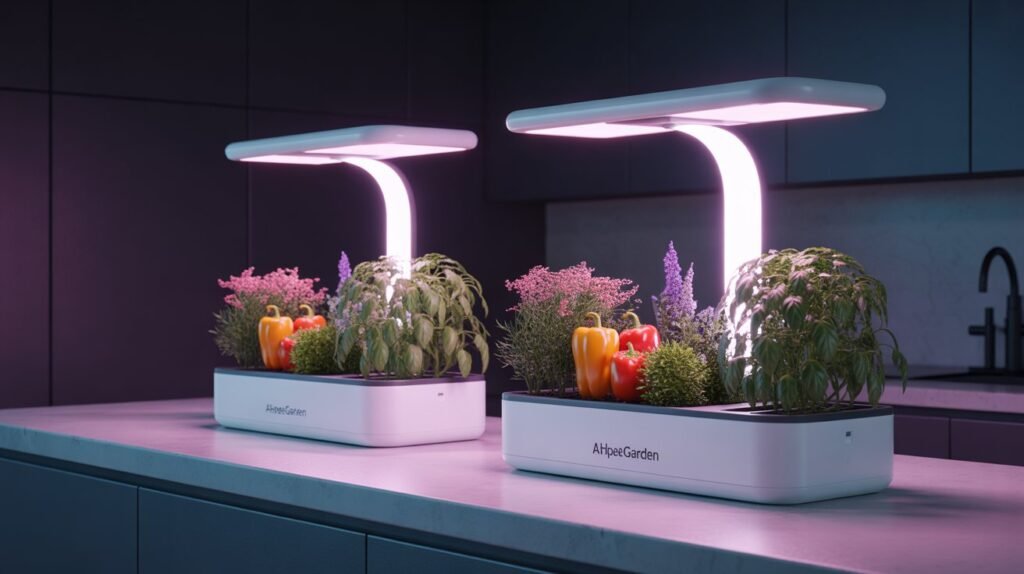
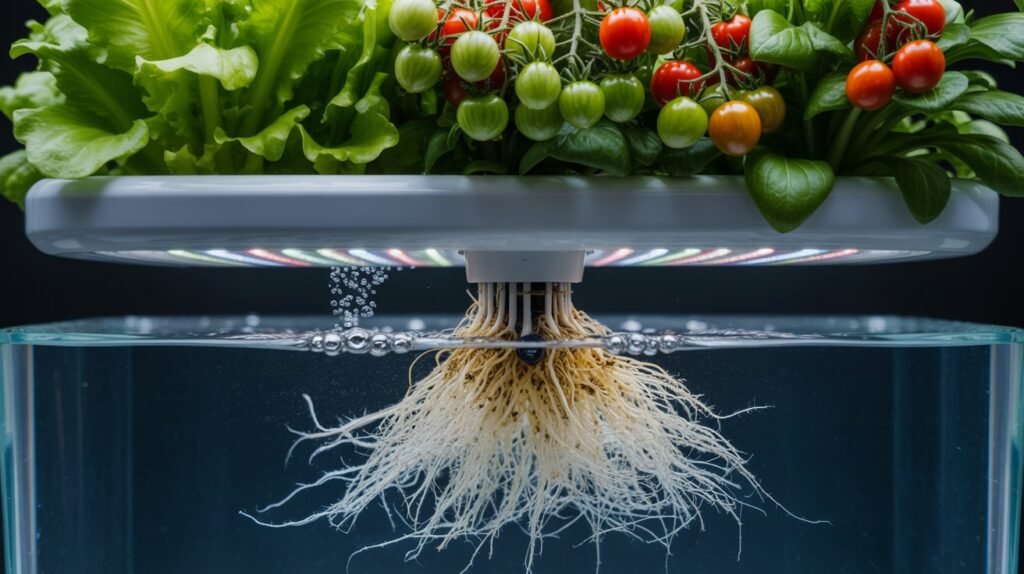
The architectural design of the Ahopegarden 10-pod system is predicated on the Deep Water Culture (DWC) methodology, an efficient hydroponic technique where plant roots remain perpetually submerged in a nutrient-rich, oxygenated aqueous solution. The 10-pod unit is engineered to optimize the spatial economics of a standard kitchen countertop, providing ten distinct growth stations within a footprint that measures approximately 14.96 inches in length and 7.48 inches in width. This specific dimensional profile is a strategic response to the constraints of the “small apartment” market, allowing for high-density cultivation without requiring significant square footage.
The hardware composition utilizes high-grade ABS plastic, a material selected for its durability, chemical resistance, and ease of sanitization. While some independent reviews have categorized the build as “flimsy” compared to more expensive industrial-grade units, the technical performance of the material in maintaining water temperature and preventing light penetration into the reservoir is consistent with industry standards for consumer-grade hydroponics. The system features a 4-liter water reservoir, providing a sufficient buffer of nutrients to sustain up to ten plants through various stages of development while reducing the frequency of required refills.
Lighting Systems and Photoperiod Optimization
A central component of the Ahopegarden system is its integrated LED grow light, which employs full-spectrum technology to simulate natural solar radiation. The 19W LED array is designed to facilitate photosynthesis across the entire growth cycle, from the initial germination phase to the final harvest. The lighting architecture includes an adjustable telescopic post that can be extended from 0.79 inches to 14.17 inches, ensuring that the light canopy remains at an optimal distance from the plants as they grow taller.
The system incorporates automated timers that manage the photoperiod, offering dual light cycle settings of 16 hours and 22 hours. The 22-hour setting is particularly noteworthy for its ability to accelerate organic vegetable growth, such as tomatoes, boosting yields by an estimated 50% compared to standard light cycles. This manipulation of the light cycle allows for growth rates up to five times faster than traditional soil-based gardening, a metric that is frequently cited in consumer reviews as “no cap” regarding the system’s efficiency.
Fluid Dynamics and Aeration Mechanisms
The health of the root system in a DWC environment is dependent on the maintenance of high levels of dissolved oxygen. The Ahopegarden system addresses this through a silent circulating water pump that prevents stagnant zones within the reservoir. This pump operates on a cycle that oxygenates the water, facilitating efficient nutrient absorption and preventing the onset of root rot, a common failure point in passive hydroponic systems. The low-noise profile of the pump is a critical feature for indoor environments, where the persistent hum of mechanical equipment can be a deterrent for potential users.
| Technical Specification | 10-Pod Model Details |
| Material | ABS Plastic |
| Water Capacity | 4.0 Liters |
| Power Consumption | 19 Watts |
| Light Cycle | 16-hour / 22-hour |
| Adjustable Height | 0.79” to 14.17” |
| Dimensions (LxWxH) | 14.96” x 7.48” x 6.30” |
| Net Weight | 1.33 kg |
| Pump Type | Silent Circulating |
Comparative Market Analysis: The “Vs” Landscape
In the competitive landscape of home-based hydroponics, Ahopegarden is frequently positioned against established market leaders such as AeroGarden and iDOO. The comparative analysis reveals that while Ahopegarden is often categorized as a budget-friendly alternative, its technical specifications often rival or exceed those of more expensive systems in the “under $” price tier.
Ahopegarden vs. AeroGarden
AeroGarden has long been the “botanical maestro” of the industry, recognized for its user-friendly interface and proprietary seed pod kits. However, the analysis of consumer value indicates that the Ahopegarden 10-pod system offers a competitive advantage in terms of initial acquisition cost and pod density. While AeroGarden units often feature more sophisticated LCD displays and nutrient reminders, Ahopegarden focuses on hardware fundamentals—adjustable light height, pump reliability, and full-spectrum coverage—at a significantly lower price point.
Ahopegarden vs. iDOO
The comparison with iDOO systems highlights a primary distinction in pump technology and lighting consistency. Some independent reviewers have noted that iDOO systems occasionally employ “useless water pumps” that lack the circulating efficiency of the Ahopegarden’s silent pump. Additionally, Ahopegarden’s customer service has been identified as a superior asset, providing more responsive support for hardware malfunctions compared to other budget-tier manufacturers.
| Feature Comparison | Ahopegarden 10-Pod | AeroGarden Harvest | iDOO 12-Pod |
| Typical Price | Competitive “Under $” | Premium / Standard | Budget |
| Pod Count | 10 | 6 | 12 |
| Pump Type | Silent Circulating | Drip / Circulating | Submersible / Static |
| Max Light Height | 14.17” | 12.00” | 11.02” |
| Light Modes | 2 (Veg / Fruit) | Automated | 2 (Veg / Fruit) |
Target Demographic Suitability and Social Impact
The Ahopegarden system is strategically designed to address the needs of three primary user groups: senior citizens, beginner gardeners, and urban apartment residents. The integration of “easy” and “automated” features reduces the traditional barriers to entry associated with horticulture.
Accessibility for Seniors and Individuals with Arthritis
For the senior population, the Ahopegarden 10-pod system serves as a “perfect garden option” that mitigates the physical strain of traditional soil gardening. The countertop placement of the unit eliminates the need for bending, kneeling, or digging, which are often prohibitive for individuals with arthritis or limited mobility. The soil-free nature of the system prevents the handling of heavy dirt bags, further enhancing the ergonomic benefits for elderly users.
The psychological benefits for seniors are also significant. Indoor gardening has been shown to reduce stress, improve mood, and sharpen cognitive function through the regular tasks of planning and problem-solving. Furthermore, the system provides a “conversation starter” for seniors in assisted living communities, fostering social engagement and a sense of accomplishment.
Optimization for Beginners and “Brown Thumb” Enthusiasts
Hydroponics is often perceived as a complex science, yet the Ahopegarden system simplifies the process for beginners. The automated light timers and water level windows provide clear cues for maintenance, reducing the risk of plant death due to neglect or over-watering. The “best” system for a beginner is often defined by its ability to provide rapid, tangible results; with harvest cycles as short as three weeks for leafy greens, Ahopegarden builds the user’s “gardening confidence” quickly.
Spatial Economics for Small Apartment Dwellers
Urban environments characterized by limited green space are the primary market for compact hydroponic units. The Ahopegarden 10-pod system fits seamlessly into “teeny tiny spaces,” providing year-round access to fresh herbs and vegetables without a backyard. The vertical growth capacity of the unit allows for 10 plants to flourish in an area smaller than a standard microwave, making it a “must-have” for apartment residents looking to reclaim their health and reduce their carbon footprint.
Problem-Solving and Technical Troubleshooting
A comprehensive review of user feedback and technical data identifies several recurring challenges in the hydroponic experience, for which the Ahopegarden system and community have developed effective “problem-solving” strategies.
Algae Mitigation and Reservoir Hygiene
Algae growth is a pervasive issue in hydroponics, occurring when light interacts with nutrient-rich water. In the Ahopegarden unit, unused pod holes and gaps in the lid can allow light to enter the reservoir, sparking an algal bloom that competes with the plants for nutrients.
Preventative and Corrective Measures:
- Opaque Coverage: Users are advised to cover all empty pod stations with light-blocking stickers, tinfoil, or specific pod covers to ensure the reservoir remains light-tight.
- Hydrogen Peroxide ($H_2O_2$) Treatment: The addition of 3% hydrogen peroxide (approximately 3ml per gallon of water) is an effective way to kill algae spores and oxygenate the root zone.
- Biological Controls: Utilizing products like Hydroguard introduces beneficial bacteria that consume the organic matter algae thrive on, preventing root rot in the process.
Germination Success and Nutrient Balancing
The failure of seeds to sprout is a common frustration for beginners. Research suggests that for difficult seeds like cilantro or rosemary, germinating them externally in a moist paper towel before transferring them to the Ahopegarden can improve success rates. Once established, the maintenance of nutrient concentration is vital. Ahopegarden kits typically include A and B nutrient solutions which must be mixed according to the instructions to maintain the correct Electrical Conductivity (EC) and pH levels.
Household Pet Interference
In small apartment settings, domestic cats frequently interfere with hydroponic systems, drawn by the bright lights and moving water. Successful “hacks” for pet protection include:
- Physical Barriers: Constructing a simple chicken wire cage or using a decorative birdcage around the unit.
- Sensory Deterrents: Placing citrus peels or aluminum foil around the base, as cats are sensitive to these scents and textures.
- Redirection: Providing a dedicated “cat grass” or catnip planter nearby to focus the feline’s attention away from the vegetable harvest.
Linguistic Evolution and Consumer Sentiment: The Slang of 2025
The marketing and review ecosystem of Ahopegarden in 2025 reflects a significant shift in consumer linguistics, particularly among Gen Z and Millennial demographics. These terms serve as a metric for brand resonance and authenticity in the digital age.
Slang as a Marketing Metric
The term “Bussin'” is frequently used in consumer reviews to describe the superior flavor of home-grown hydroponic herbs compared to store-bought counterparts. When a system performs exceptionally well, users may state that it “Ate” the competition, referring to its dominance in the price-to-performance category. The phrase “No Cap” is vital for establishing trust in the system’s claims of “5x faster growth,” serving as an assertion of honesty in a market often saturated with hyperbole.
The concept of “Rizz” (charisma) has also entered the hardware space, with the “sleek” and “modern” design of the Ahopegarden being credited with having high aesthetic appeal, or “Aura”. For the “Main Character” of an urban lifestyle, the presence of a flourishing hydroponic garden on the counter is a “Flex”—a visible sign of self-reliance and health-consciousness.
Advanced Agronomy: From Lettuce to Micro-Dwarfs
While the Ahopegarden is marketed as a “lettuce harvest” system, the technical capabilities of the 10-pod hardware allow for more sophisticated agricultural pursuits, specifically the cultivation of micro-dwarf fruiting plants.
Micro-Dwarf Tomato Varieties
The limited height of the LED canopy (14.17 inches) precludes the growth of standard indeterminate tomato plants. However, specialized “micro-dwarf” varieties have been bred to thrive in exactly these conditions, maturing at 6 to 12 inches in height.
| Variety | Growth Habit | Height | Days to Fruit |
| Micro Tom | Determinate Bush | 6” – 8” | 50 – 60 days |
| Tiny Tim | Determinate | 12” – 18” | 45 – 55 days |
| Orange Hat | Compact | 6” – 9” | 60 days |
| Venus | Pot-Friendly | 6” – 12” | 70 – 90 days |
These “tiny tomatoes” are a true “conversation piece,” providing a continuous harvest of sweet cherry-sized fruits throughout the winter months. To succeed with these varieties in the 10-pod system, users must practice manual pollination, gently shaking the plants to ensure the transfer of pollen, and transition to a fruit-specific nutrient mode as the plants begin to bloom.
Herb Garden Sustainability and ROI
The economic return on investment (ROI) for a hydroponic system is often calculated by the “avoided cost” of grocery store herbs. A single Ahopegarden station growing organic basil can produce the equivalent of several retail packages per month. Given that a 4-liter reservoir and 19W LED lamp cost less than $2.00 per month in electricity, the system pays for itself within the first three to five harvest cycles. This “win” for the consumer’s wallet is coupled with a “win” for the environment, as the closed-loop system uses up to 90% less water than traditional soil-based farming.
Economic Autonomy and the Future of Food Security
The Ahopegarden Indoor Garden Hydroponics Growing System is more than an appliance; it represents a fundamental shift toward “Food Autonomy”. By empowering individuals to grow their own pesticide-free produce in a “controlled environment,” the system mitigates the risks associated with global supply chain disruptions and “food deserts”.
The 10-pod configuration serves as the “entry-point” into this ecosystem, providing a scalable solution that can grow alongside the user’s skill level. Whether it is a senior citizen rediscovering the joy of a “green thumb” without the pain of arthritis, or a beginner in a “small apartment” trying to “flex” their sustainability credentials, the Ahopegarden system offers a robust, “under $” solution for the modern age.
The integration of advanced sensors (monitoring pH and EC) and blockchain traceability in future iterations of the Ahopegarden line suggests a trajectory toward a fully automated “Plant Growth Lab” in every kitchen. For those ready to start their harvest today, the Ahopegarden 10-pod system is available via the following direct portal:👉 Ahopegarden Indoor Garden Hydroponics Growing System:
Conclusion and Recommendations
The Ahopegarden 10-pod system achieves its “best” status through a combination of hardware reliability, demographic accessibility, and price-point strategy. While it requires a basic understanding of reservoir hygiene and nutrient balancing, its automated light and pump systems perform the “heavy lifting” for the user. For the optimal experience:
- Beginners should start with high-success crops like basil and loose-leaf lettuce.
- Seniors should utilize the countertop height to prevent joint strain.
- Urban residents should implement cat-protection hacks early to ensure their harvest is not compromised.